


What's The Point Of Nobody Caring About Shop For Planing Machines
페이지 정보

본문
The Ultimate Guide to Shopping for Planing Machines
Planing machines are vital tools in woodworking and production, created to cut, shape, and smooth wood surface areas to achieve exact measurements and finishes. Whether you're an experienced carpenter, a DIY lover, or a business owner in the woodworking market, understanding the nuances of planing machines is vital for making educated acquiring choices. This guide will dive into the kinds of planing machines, important features to consider, and provide you with a comprehensive shopping technique.
Kinds Of Planing Machines
When looking for planing machines, it's important to comprehend the various types available in the market. The primary types are:
| Machine Type | Description | Best For |
|---|---|---|
| Density Planer | Utilized to decrease wood to a consistent thickness. | High-volume stores requiring uniformity. |
| Surface area Planer | Used to flatten one side of a board and align edges. | Initial flattening of lumber pieces. |
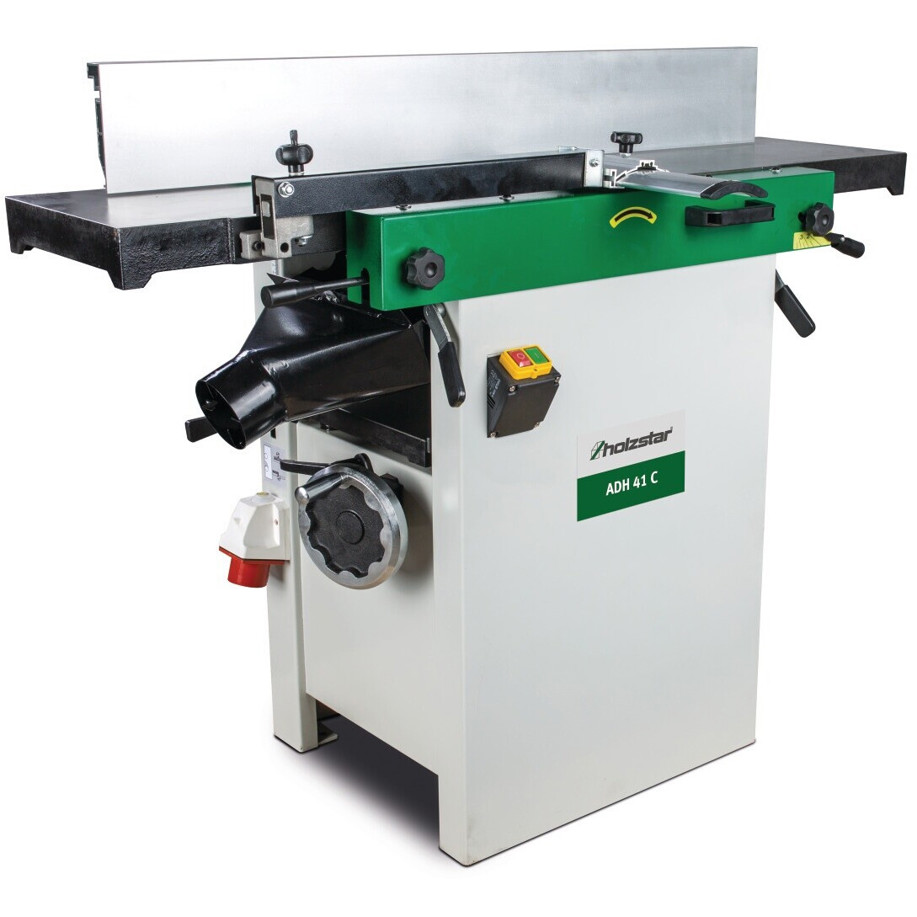
| Jointer Planer | Combines jointing and planing functions in one machine. | Adaptability in small workshops. |
| CNC Planing Machine | Computer-controlled for precision cuts and shapes. | Industrial applications and intricate designs. |
Secret Features to Consider
When picking the best planing device, numerous functions should affect your decision. Understanding these elements is vital to choosing a maker that fulfills your needs:
Cutting Width and Depth: The cutting width indicates the optimum board size that can be planed. Depth capacity affects how much material can be removed in a single pass.
Motor Power: Higher horse power motors offer much better efficiency, specifically when dealing with thick or hardwood materials. Try to find machines with a minimum of 2 HP for optimal results.
Feed Rate: This is the speed at which the wood is fed through the device. A greater feed rate can enhance performance in busy shops.
Build Quality: Durable materials such as cast iron or durable steel boost stability and reduce vibration, leading to more exact cuts.
Dust Collection: Integrated dust ports or chips collection systems assist maintain a tidy workspace, making the operation much safer and Top-Hobelmaschinen more comfy.
Sound Levels: Planing machines can be loud, so consider models created with sound-reducing features if noise is a concern.
Mobility: For hobbyists or little workshops with minimal space, light-weight and compact models are beneficial for ease of movement.
Shopping Checklist
When you're prepared to buy a planing maker, consider the following checklist to ensure that you do not miss out on any vital information:
Define Your Needs:
- What type of wood will you be working with?
- Will you be utilizing the machine for home projects, or do you require it for professional usage?
Set a Budget:
- Determine a price variety that aligns with your requirements while remembering the significance of quality.
Research study Brands:
- Look for respectable brands known for their reliability and customer service.
Read Reviews:
- Check consumer evaluations and skilled recommendations to evaluate the advantages and disadvantages of specific models.
Check out Showrooms:
- If possible, visit regional dealerships to experiment with machines and see them in action.
Common Prices for Planing Machines
To assist further refine choices, here's a breakdown of approximate price varieties based on machine type:
| Machine Type | Price Range |
|---|---|
| Density Planer | ₤ 300 - ₤ 3,500 |
| Surface area Planer | ₤ 500 - ₤ 4,500 |
| Jointer Planer | ₤ 700 - ₤ 5,000 |
| CNC Planing Machine | ₤ 10,000 - ₤ 100,000+ |
FAQs about Planing Machines
1. What is the difference in between a density planer and a surface area planer?
A thickness planer is utilized primarily to achieve a constant density throughout a board, while a surface area planer (or jointer) flattens one side of the wood and edges.
2. Can I utilize a thickness planer for edge jointing?
No, thickness planers are not created for edge jointing. A jointer is needed for that function to make sure straight edges.
3. How frequently should I sharpen the blades?
Blade maintenance depends on use, but it's usually advised to inspect and hone blades after every 8-10 hours of operation for optimum performance.
4. Do I need a dust collector with my planing device?
Yes, using a dust collector is a good idea, as it assists keep a clean office and enhances safety by lowering the threat of dust inhalation.
5. Is it needed to buy a high-end model?
It depends on how regularly you prepare to utilize it and the kind of projects. For occasional use and small projects, a mid-range model may suffice while experts might warrant buying higher-end models.
Choosing the right planing device substantially impacts the quality and efficiency of woodworking projects. By examining your particular needs, comprehending the various types and features, and following a structured shopping process, you can make a positive decision. Make the effort to research study and choose a maker that lines up with your woodworking objectives, ensuring complete satisfaction with your financial investment for many years to come. Whether you're a budding craftsman or an experienced professional, a trusted planing maker is a necessary tool in your workshop arsenal.
- 이전글비아그라 종류부터 복용법 가격까지 한눈에 정리 파워약국 남성건강 가이드 26.02.22
- 다음글5 Killer Quora Answers To USA Meds Online 26.02.22
댓글목록
등록된 댓글이 없습니다.